1. Begin With the Travel Guide Collections
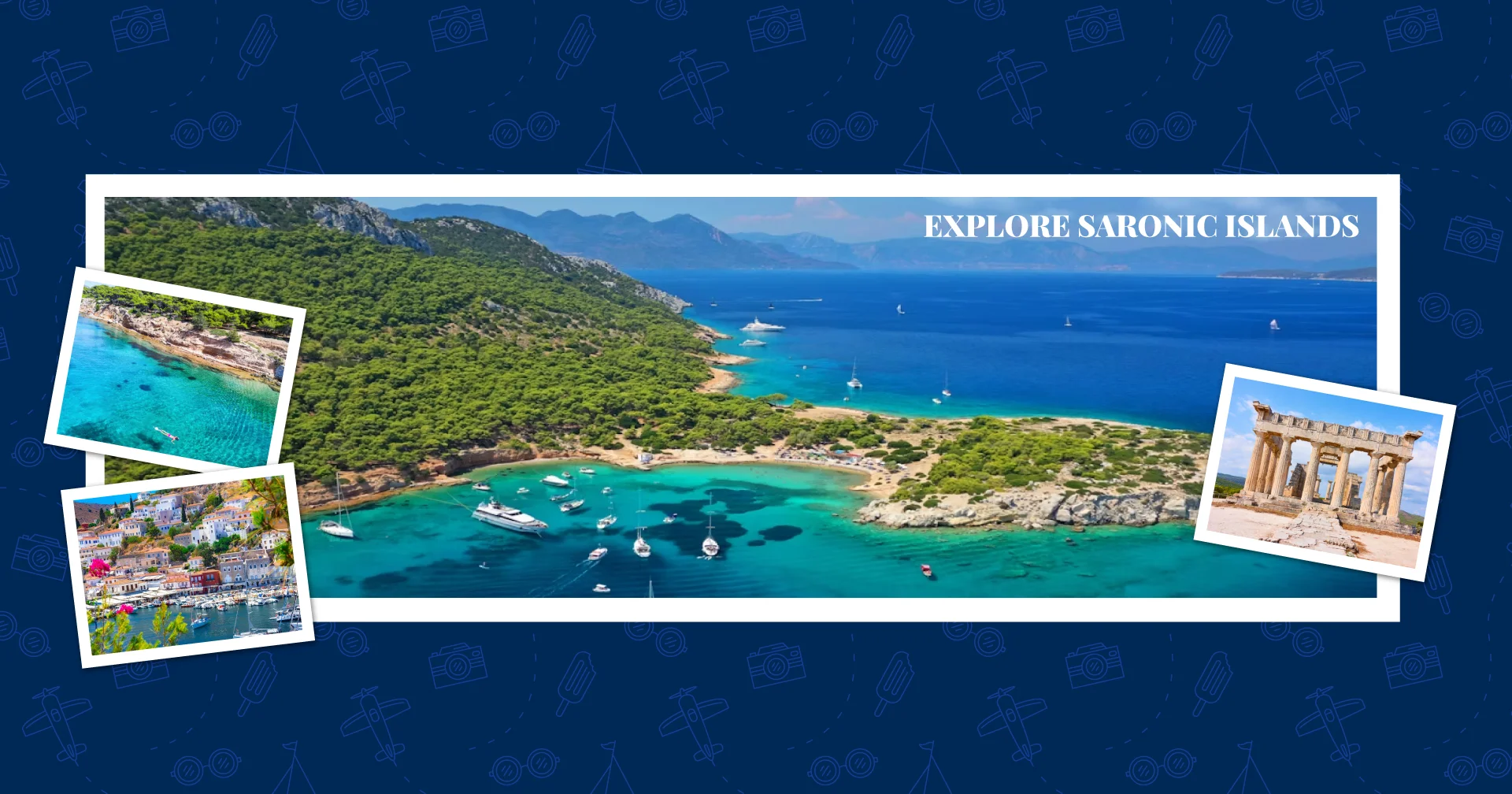
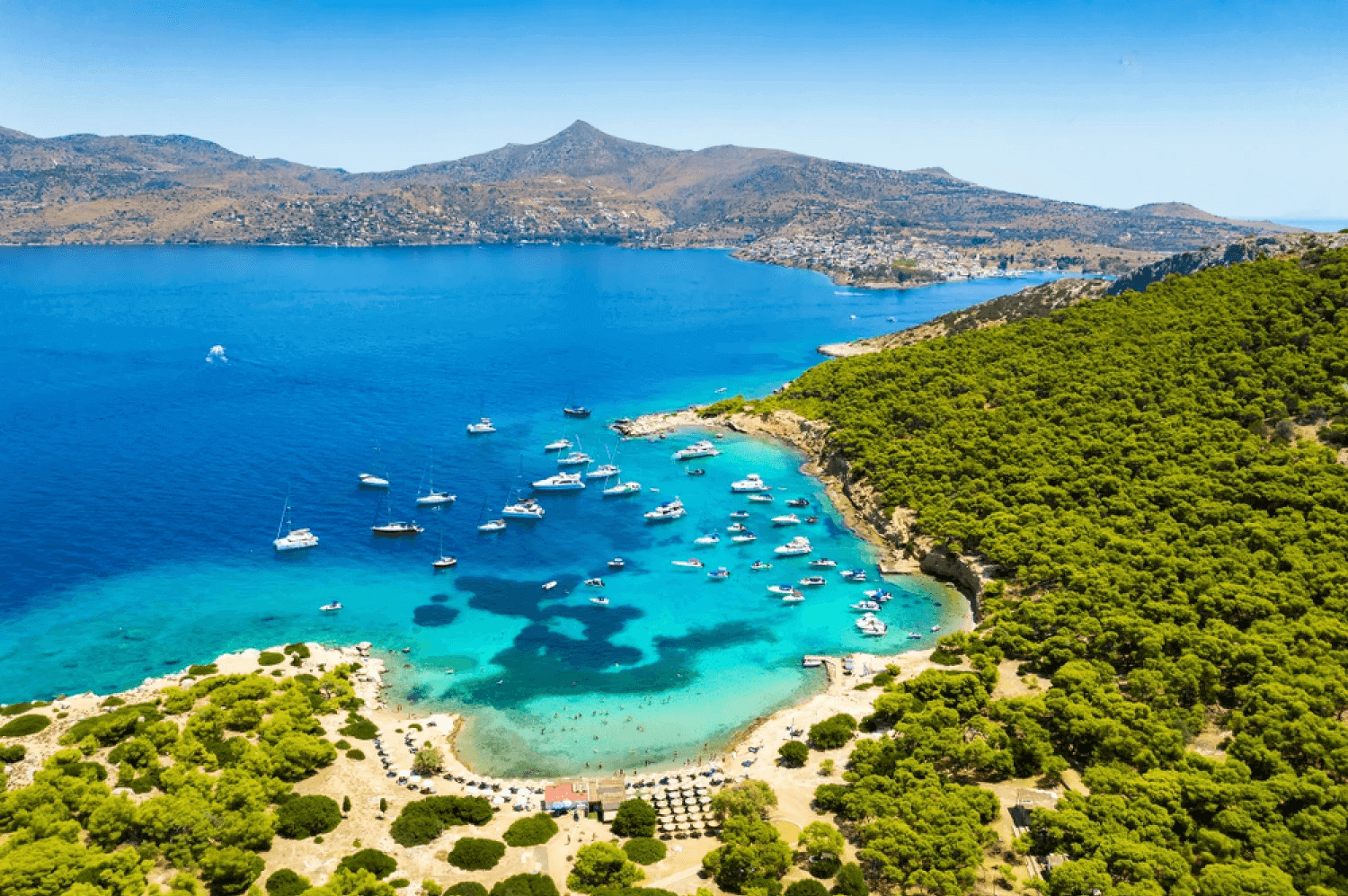
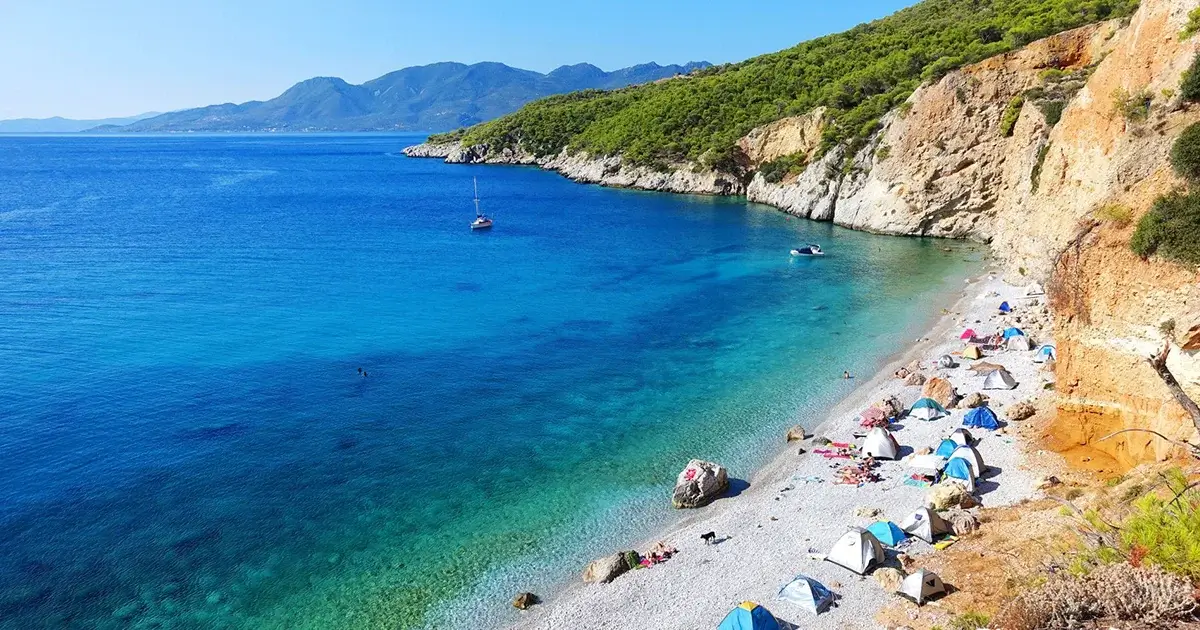
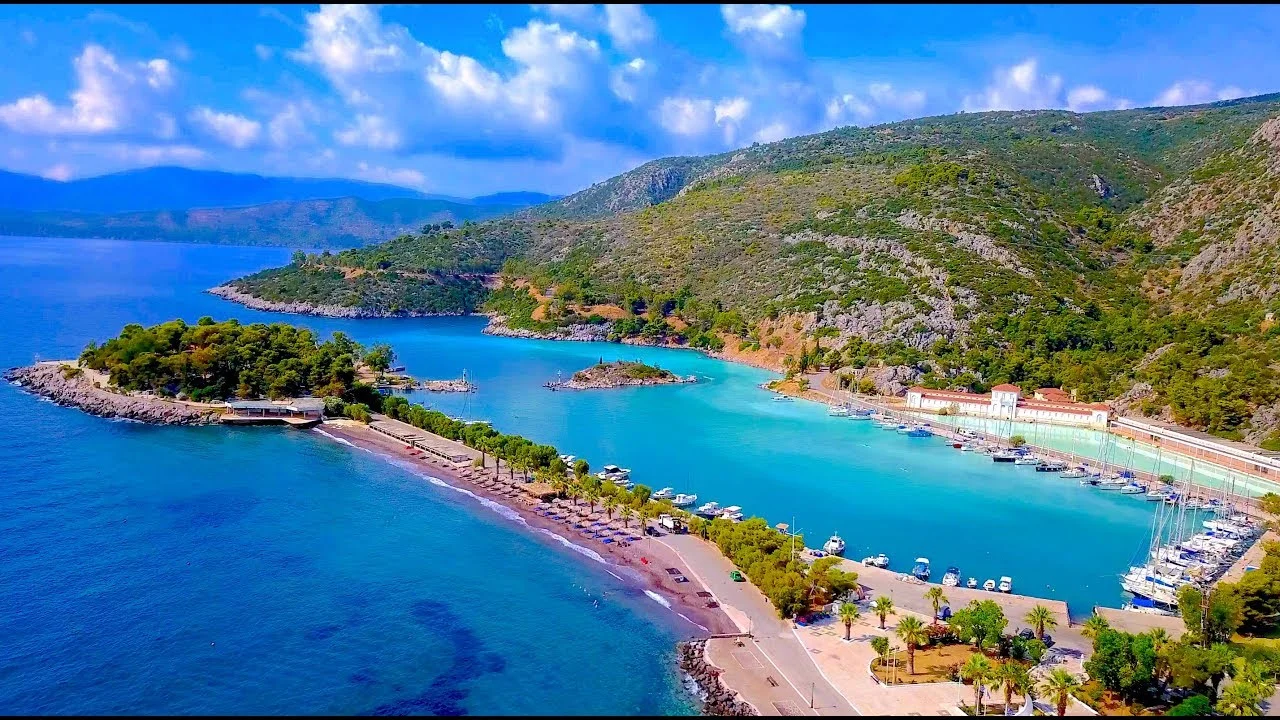
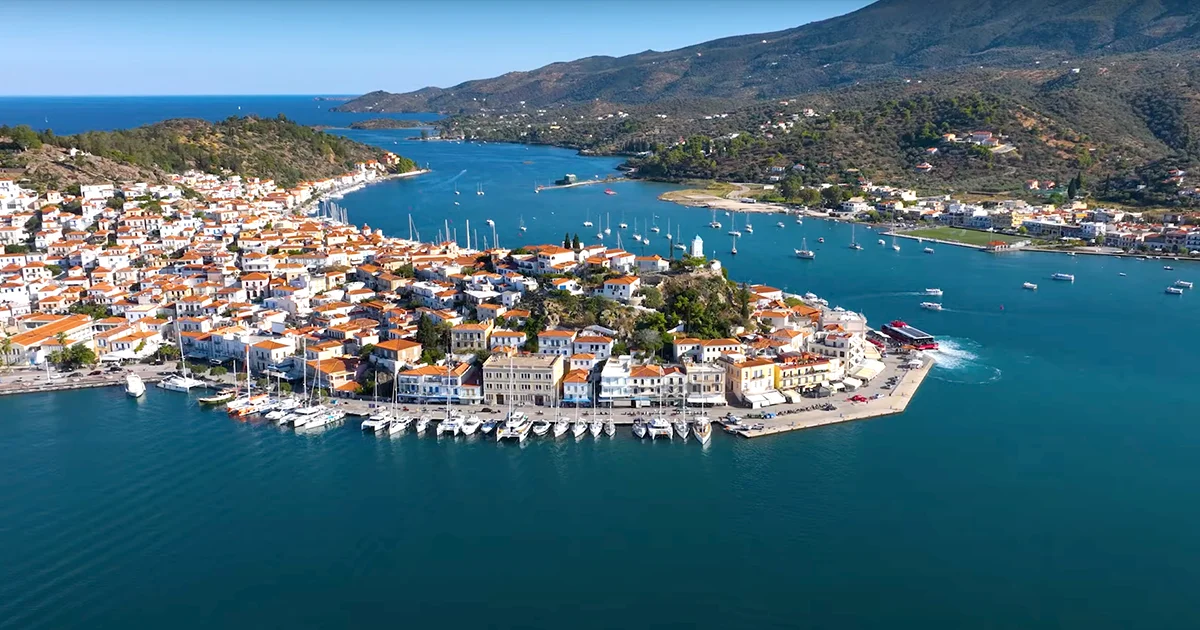
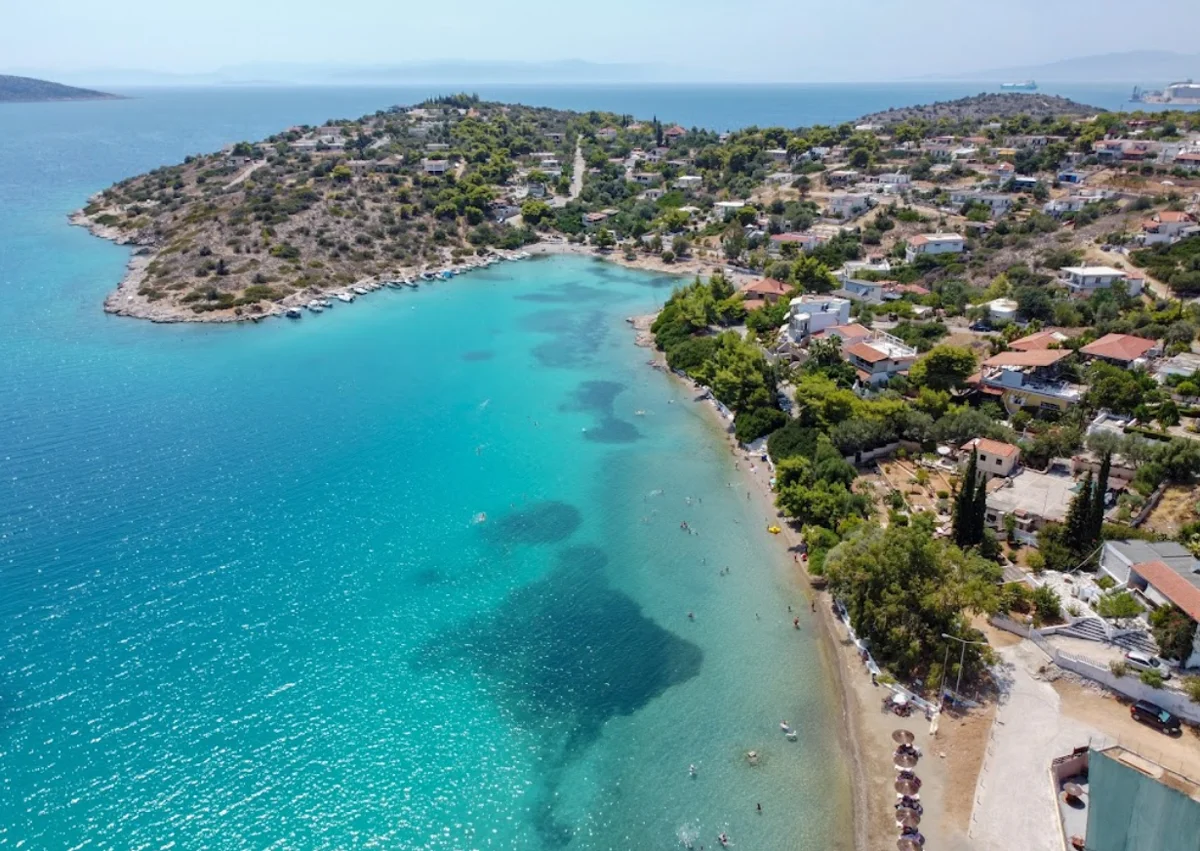
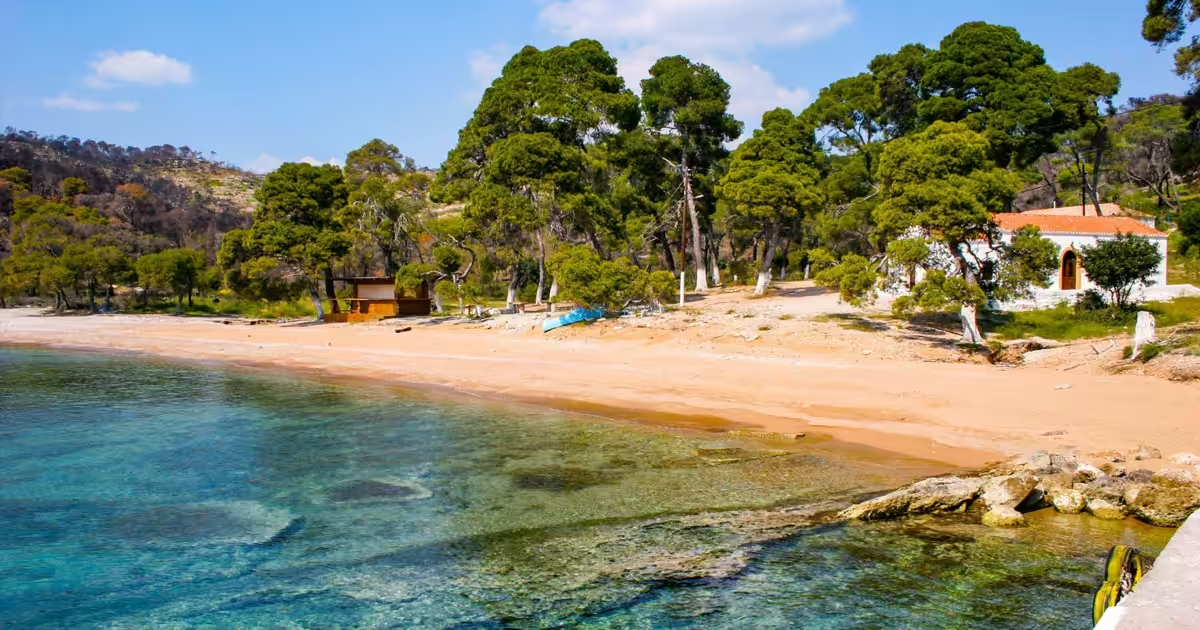
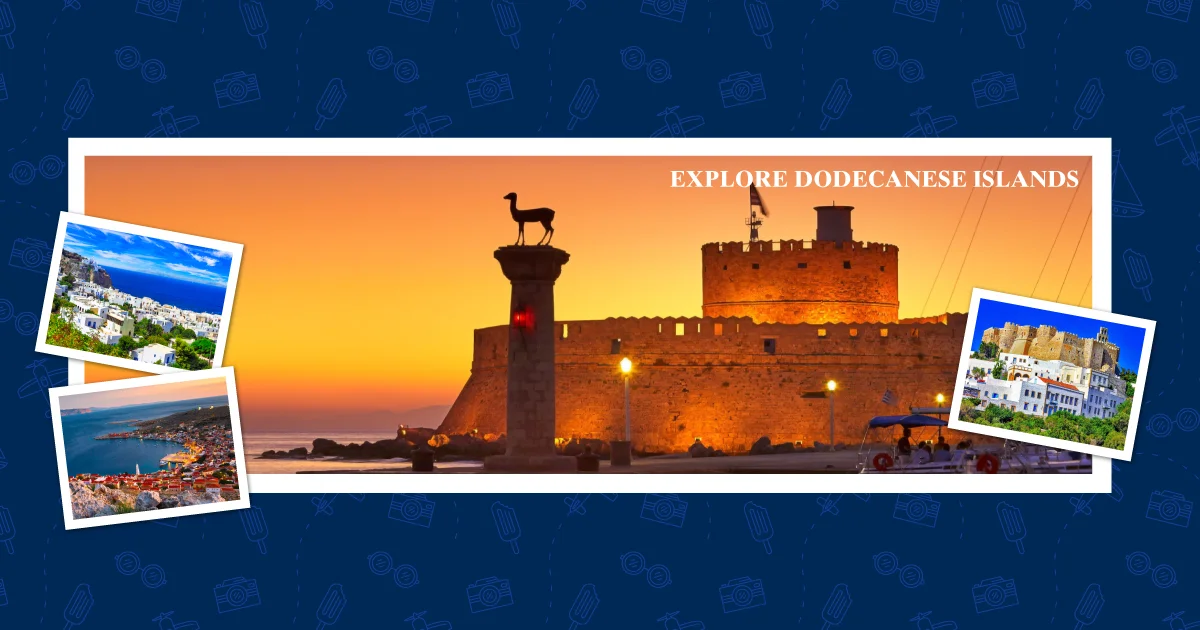
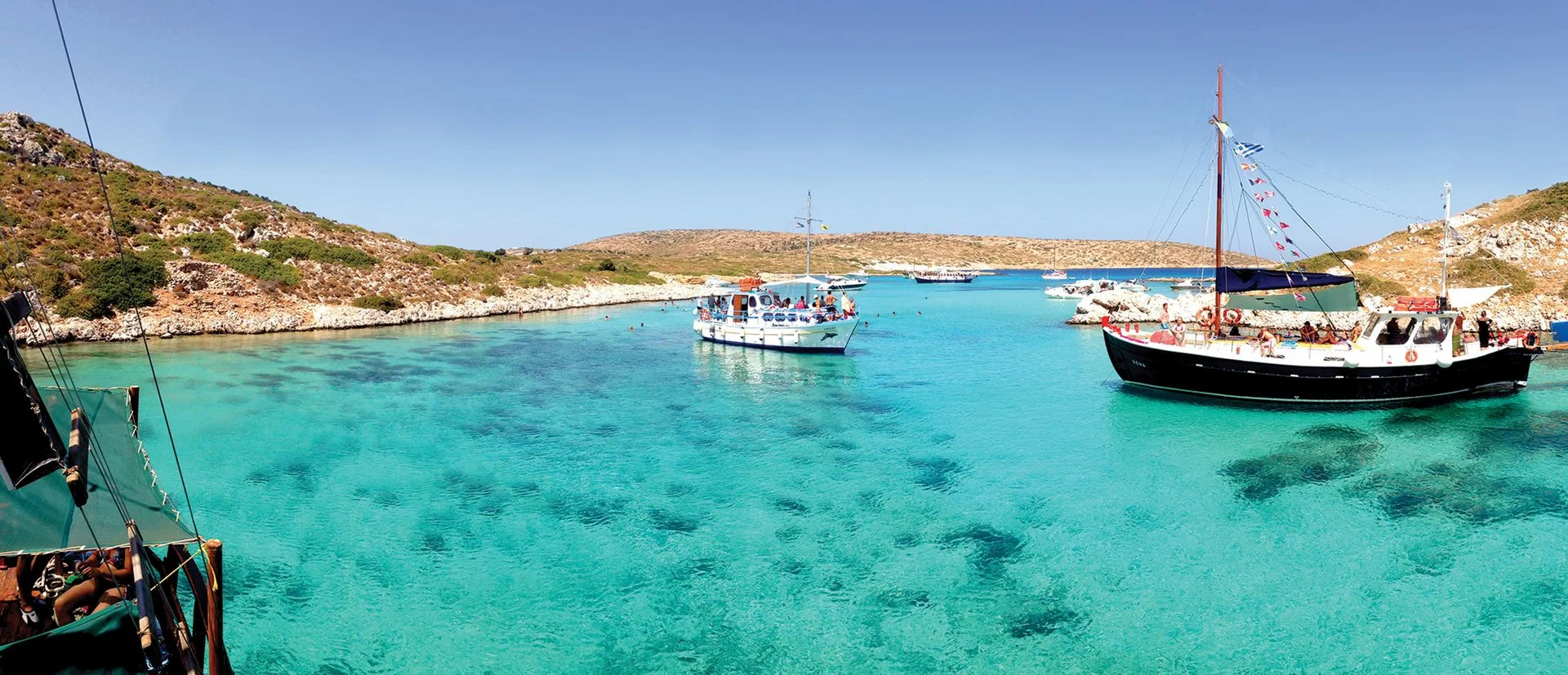
This travel guide introduces destinations in Greece through the place pages published on the school website. Start with the Saronic Islands and Dodecanese collections shown above, then open the destinations that interest you. The collection is a way to explore geography and culture as well as to begin thinking about a possible visit.
The destination pages currently include places such as Aegina, Hydra, Poros, Salamina, Agistri, Spetses, Kalymnos, Astypalaia, Agathonisi, and Arkoi. Read individual pages for the places they describe. A place name in a travel guide is a starting point for learning; it does not establish a recommended itinerary, a transport connection, or the amount of time your family should spend there.
2. Read About One Destination at a Time
Choose a destination and consider which parts of its story interest you most. You might begin with a landscape, a town, a historical reference, or a cultural tradition. For example, open our Hydra page or our Aegina page and read the information in context before comparing it with another island.
Keeping brief notes can make the travel guide more useful. Write down names you would like to understand, places you want to locate on a map, and questions that need further research. Separate those interests from practical arrangements such as travel dates and accommodation. A clear distinction helps you use cultural reading without assuming that it answers every planning question.
3. Connect Places With Greek Language
A travel guide can also support language learning. Read a place name in English and look for its Greek form when it appears in a destination article. Practice saying the name and notice how it is written. Families can use a map to connect the name with its location before reading more about the place.
For learners who want to develop Greek beyond place names, explore the school’s programs overview and Kosmos online classes. Discuss a suitable level with the school. Reading about destinations can provide a topic for conversation, while a language course has its own learning aims, schedule, and enrollment arrangements.
4. Explore Food and Culture Alongside Places
The travel guide sits alongside the school’s Greek recipes section and community blog. These pages offer different ways to encounter Greek culture. Reading about a dish, a tradition, and a destination together can help a family develop questions and share interests before a visit or a classroom discussion.
Try choosing one topic for a short conversation rather than attempting to cover an entire region at once. Discuss what you have learned and identify which details came from the destination page. Family memories can add another perspective, especially when you make clear that a personal experience belongs to a particular time and place.
5. Check Current Details Before Making Plans
Use the official Visit Greece Saronic Islands overview and Dodecanese overview for further destination reading. When making travel arrangements, verify current transport services, opening hours, accommodation, and booking conditions directly with the relevant providers. Those practical details may change after a guide has been published.
Return to this travel guide when you want another place to explore or a cultural topic to discuss. The destination collections provide a starting point, and individual articles offer more focused reading. Use current official and provider information for the arrangements of your own trip, and allow your interests to guide which places you research next.