
Greek Legumes Recipes
THE ART OF GREEK CUISINE
- Greek Legumes Recipes
Explore Greek legumes through lentils, beans, chickpeas, purees, soups, and shared meals. Read practical ideas for choosing and recording a family recipe.


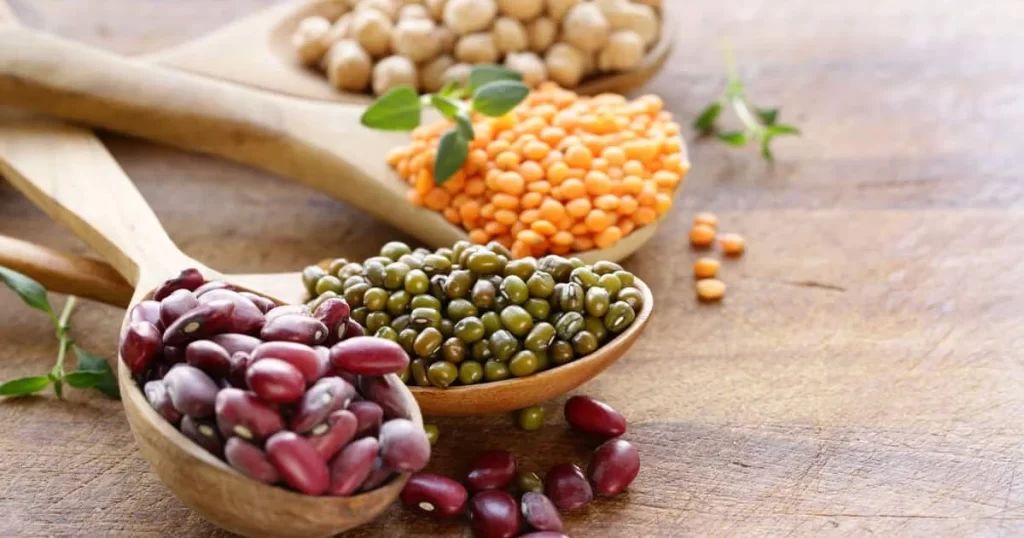
1. Begin With Greek Legumes and Lentils
Greek legumes include ingredients that can be used in different preparations, from a spoonable soup to a more substantial dish. Lentils provide one starting point. Read a complete recipe to see how they are combined with vegetables, liquid, and seasoning. The method determines the result more precisely than a broad ingredient category does.
The Visit Greece introduction to Greek pulses places beans, lentils, and chickpeas within the country’s food traditions. Use that cultural reading alongside practical recipe instructions. Choosing one preparation at a time makes it easier to learn how its ingredients and stages fit together.
2. Compare Bean Preparations
Beans give Greek legumes another range of textures and serving possibilities. A recipe may use them in a soup or a baked preparation, with the surrounding ingredients shaping the dish’s character. Notice whether it calls for a particular kind of bean and follow the preparation instructions for the form you are using.
Dried and already cooked beans are different starting points. Do not assume that the method and liquid quantities remain unchanged when moving between them. Read the recipe and any product instructions carefully. Record substitutions in your notes so that the finished preparation can be compared with the method you originally selected.
3. Explore Chickpea Dishes
Chickpeas offer another way to explore Greek legumes. Consider whether you want a dish with distinct pieces, a softer texture, or a preparation combined with vegetables. Choose a recipe that describes the result you have in mind and check how much of the process involves preparation before the main cooking stage.
Think about the role of the dish in your meal. A chickpea preparation might be the main focus or part of a table with several plates. Compare its serving information with the other food you plan to offer. Organizing the complete meal helps you choose quantities and a practical order for the work.
4. Read Puree Recipes for Texture
A puree uses Greek legumes differently from a dish that keeps each bean or lentil distinct. Read how the method develops its texture and when other ingredients are introduced. A smooth preparation and a more textured one can both have a place at the table, but they involve different choices.
Follow the recipe when adding liquid or combining components rather than assuming that every puree has the same consistency. Consider how it will be served and what accompaniment it requests. Keeping those details with your notes makes it easier to understand why a preparation worked well or what you would adjust next time.
5. Think About Soup and Accompaniments
A soup can place Greek legumes at the center of a straightforward meal. Read the recipe for the relationship between its solid ingredients and liquid, then consider how it will be served. The final texture may be quite different from that of a bean bake or a spread, even when some ingredients overlap.
The salad guide and vegetable guide offer related meal ideas. Choose accompaniments that fit the occasion and the amount of preparation you want to undertake. A small number of well-understood dishes can be easier to organize than several unfamiliar recipes at once.
6. Record a Greek Legumes Family Recipe
A family recipe for Greek legumes may carry memories of a particular kitchen, season, or place. Ask about those details while also recording the ingredients and method clearly. Note which form of the legume was used and any changes made during cooking. Practical information and personal context serve different purposes, and both can enrich the record.
Visit the fasting guide for another cultural connection and the recipes overview for the site’s sharing invitation. If you contribute a recipe, include complete measurements and steps. Describe your household’s version accurately, leaving room for other families and regions to prepare a dish differently.