
Greek Desserts Recipes
THE ART OF GREEK CUISINE
- Greek Desserts Recipes
Explore Greek desserts through the guide below, from pastry and cookies to family baking notes. Browse any recipes displayed here, or return to the recipes overview for the dishes currently published on the site.


1. Discover Layered Greek Desserts
Layered pastry is one starting point for exploring Greek desserts. Baklava brings attention to the relationship between thin pastry, filling, and syrup. Regional versions can differ; Visit Greece’s introduction to Ioannina baklava describes one local example. Read a complete recipe before choosing a version for your own kitchen.
Notice how the pastry is arranged and which stage introduces the filling or syrup. Those details shape the preparation as much as the ingredient names do. Keep the method nearby while working, particularly if you are handling a pastry you have not used before. A category guide offers context, while a recipe supplies the necessary quantities and steps.
2. Read About Syrup Cakes
Some Greek desserts invite you to consider the relationship between a baked cake and a separately prepared syrup. When comparing recipes, look at how the method brings those elements together. A cake’s ingredients, texture, and preparation can differ substantially from another sweet even when both use syrup.
Read the instructions for timing and temperature carefully rather than applying a general rule to every dessert. Make notes about the pan and quantities specified in the recipe. Planning the stages before you begin helps you understand which tasks need attention first and which parts of the preparation can be organized separately.
3. Explore Cookies and Small Sweets
Cookies provide another way to explore Greek desserts in portions that can be shared individually. Different preparations may emphasize nuts, butter, spices, or other ingredients. The Enterprise Greece overview of baked goods introduces several traditions, including kourabiedes and other cookies.
When choosing a cookie recipe, consider its method and the amount of shaping or finishing involved. Prepare the ingredients and tools it requests before starting. Keep the sizes reasonably consistent when the recipe calls for individual pieces, and follow its baking instructions. If you adapt the shape or size, record the change with your own cooking notes.
4. Consider Custard and Pastry Together
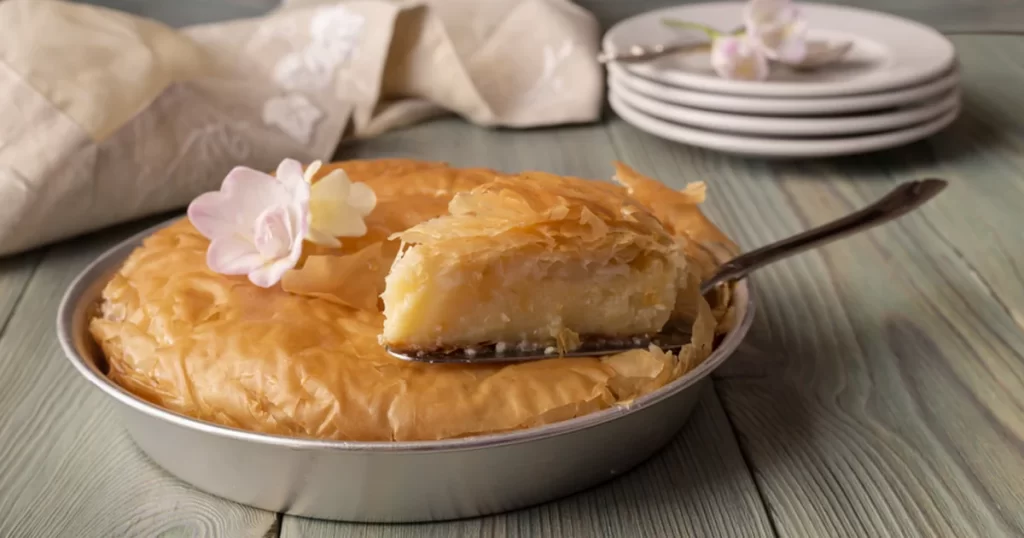
Custard-filled pastry offers a different texture from a crisp cookie or a nut-filled sweet. Galaktoboureko is one name readers may encounter when exploring Greek desserts. Look for a detailed recipe that explains both the filling and the pastry, rather than treating the dessert as a single undifferentiated mixture.
Read how the components are prepared, assembled, and finished. An unfamiliar step is easier to understand before ingredients are on the work surface. If the recipe includes resting, cooling, or storage instructions, keep those with the method. The complete process helps you decide whether a dessert fits the time and equipment available.
5. Notice Fruit, Citrus, and Nuts
Greek desserts can also be explored through the flavors that distinguish one preparation from another. Fruit, citrus, and nuts may appear in fillings, flavorings, or accompaniments. Read the ingredient list to understand their role in the particular recipe, and avoid assuming that a familiar dessert name always means the same combination.
If you make a substitution, note what you changed and the result. Keep ingredient information clear when sharing a sweet with others. A family recipe can be described accurately while still leaving room for different preferences and household versions. Comparing those details is part of learning how a preparation works.
6. Preserve a Sweet Family Memory
Ask relatives which Greek desserts they associate with a celebration, a visit, or a particular kitchen. Write down the occasion alongside the practical recipe details. A memory about who prepared a sweet or how it was served can help explain its place in a family story.
Explore the dough guide for related baking ideas and return to the recipes overview for other categories. When sharing a dessert recipe through the site’s invitation, include clear measurements, a complete method, and any adaptation or source information another reader would need.