
Greek Vegan Recipes
THE ART OF GREEK CUISINE
- Greek Vegan Recipes
Explore Greek vegan cooking through vegetables, legumes, rice, dips, and ingredient checks. Read practical ideas for choosing recipes and planning a shared meal.


1. Explore Greek Vegan Vegetable Ideas
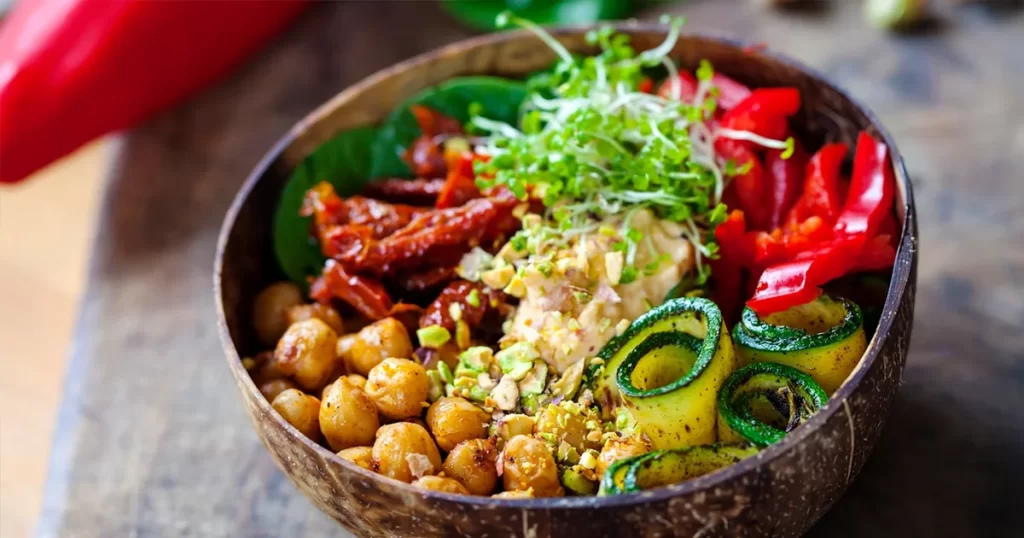
Greek vegan cooking can begin with vegetables prepared in different ways. Compare a baked dish, a pot preparation, and a fresh salad to decide which texture and serving style interest you. Read the complete recipe before choosing a project, because a vegetable-focused title does not describe every ingredient in the dish.
The vegetable guide provides related ideas. Use its discussion to develop a direction, then return to a specific recipe and its full method. Check sauces, toppings, and prepared ingredients as part of the whole preparation rather than focusing only on the vegetable named in the title.
2. Consider Beans, Lentils, and Chickpeas
Legumes provide another direction for Greek vegan meals. A soup, a baked dish, or a puree can give beans, lentils, and chickpeas different roles at the table. Choose a method that fits the time and equipment available, and note whether the recipe begins with dried or already cooked ingredients.
The legumes guide explores those preparations in more detail. Read the liquid, seasoning, and serving instructions as parts of one method. A stock or accompaniment is still part of the recipe, so include it when deciding whether the complete dish matches the ingredients you intend to use.
3. Read Rice and Filled-Vegetable Recipes
Rice and filled vegetables offer another area to explore in Greek vegan cooking. A recipe can explain how a filling is prepared, how it is assembled, and whether components cook separately or together. Read those stages before beginning so that their relationship is clear.
If you adapt an existing preparation, record what changed and how you followed the method. Removing an ingredient and replacing it with something else are different adjustments, and either may affect the result. Choose a recipe written for your intended approach when possible, particularly when learning a cooking method that is new to you.
4. Explore Dips and Shared Plates
A dip or small shared dish can be part of a Greek vegan table. Compare the complete ingredients and the way each preparation is served. A familiar dip name may have more than one household version, so the name alone is not enough to understand its composition.
The appetizer guide offers ideas for arranging a selection of plates. Choose suitable serving utensils and make ingredient information easy to explain. A few clearly prepared dishes can create variety without requiring a large menu or several unfamiliar recipes to be finished at once.
5. Check Greek Vegan Ingredients Clearly
When choosing Greek vegan recipes, check the whole ingredient list and any prepared products. The Vegan Society’s definition describes a vegan diet as excluding animal foods, including meat, fish, dairy, eggs, and honey. Use clear product information rather than assuming that a vegetable-focused preparation meets that description.
Pastry, sauces, stock, garnishes, and accompaniments deserve the same attention as the main ingredient. A fasting or vegetarian category should not be treated as automatically interchangeable with vegan cooking. Read the actual recipe and explain any modifications accurately when sharing the food or recording your own version.
6. Plan a Greek Vegan Family Meal
Think about the complete meal and how its dishes will be prepared. Compare textures, portion information, and the attention each method needs. Choosing a manageable selection leaves time to follow the recipes carefully and understand the ingredients being used. Discuss the food with the people who will share it so that expectations are clear.
Visit the recipes overview for other categories and the invitation to share a creation. A useful contribution includes complete ingredients, measurements, and steps, together with any adaptations or source information. Describe your household’s preparation precisely so that another reader can decide how it relates to their own cooking preferences.