1. Explore Theatre Through History
The theatre program described above connects an introduction to the history of drama with research and performance. Begin with that overview to understand how the different stages fit together. Learning about theatre involves considering a text, the place in which it was performed, and the choices made by the people presenting it to an audience.
Students and families can use the program page to identify questions about the learning experience. Ask what background reading is appropriate, how the course is organized, and which arrangements apply to the activity you are considering. The program description establishes its broad focus; the office can provide current information about participation.
2. Connect Theatre Study With Places in Greece
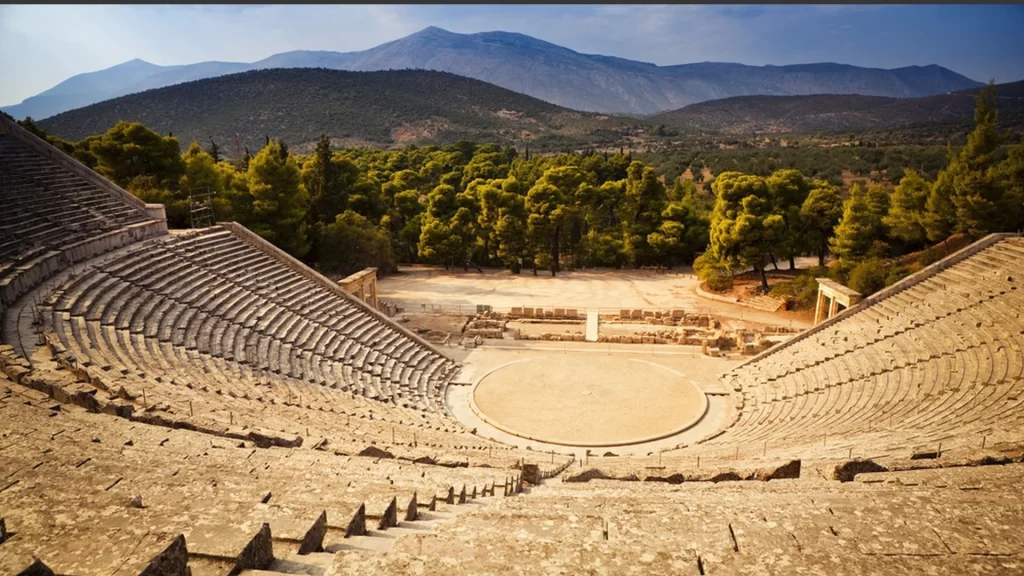
The school’s description includes a research trip to Greece and names Epidavros and the theatre of Dionysus near the Acropolis. These places provide a geographical context for the program’s study of ancient drama. Read the related 2023 theatre team journey for an account of a particular school experience, keeping its date in mind.
A historical trip report does not confirm arrangements for a future visit. Families interested in the research component should ask the school about any current plans, participation requirements, and the information available for that activity. The travel guide offers further cultural destination reading, while the school is the appropriate contact for its own program arrangements.
3. Bring a Tragedy From Study to Performance
The theatre program culminates in the study of a specific tragedy and its performance. Reading and presenting a text invite different questions: what a scene communicates, how a character speaks, and how an audience understands the action. The program brings those interests into a shared activity rather than treating a play only as a document to read.
For general vocabulary support when working with Greek, the Centre for the Greek Language portal provides dictionaries and language resources. Ask the school which materials fit the text or activity being studied. Resource choices and preparation needs should follow the program’s current guidance.
Ask About the Theatre Program
The programs overview introduces other Greek language and cultural learning opportunities at the school. Visitors can explore it alongside the theatre page to understand the wider educational setting. The media gallery and related articles provide additional ways to encounter school activities.
Use the contact page for a current theatre inquiry. Explain whether your question concerns the study component, a performance, or a research activity, and include any relevant article title. A specific question helps the office understand your interests without assuming that an older announcement describes the next available opportunity.