
Greek Seafood Recipes
THE ART OF GREEK CUISINE
- Greek Seafood Recipes
Explore Greek seafood through fish, shellfish, grilling, pot dishes, and shared meals. Read ideas for choosing a complete recipe and planning its preparation.


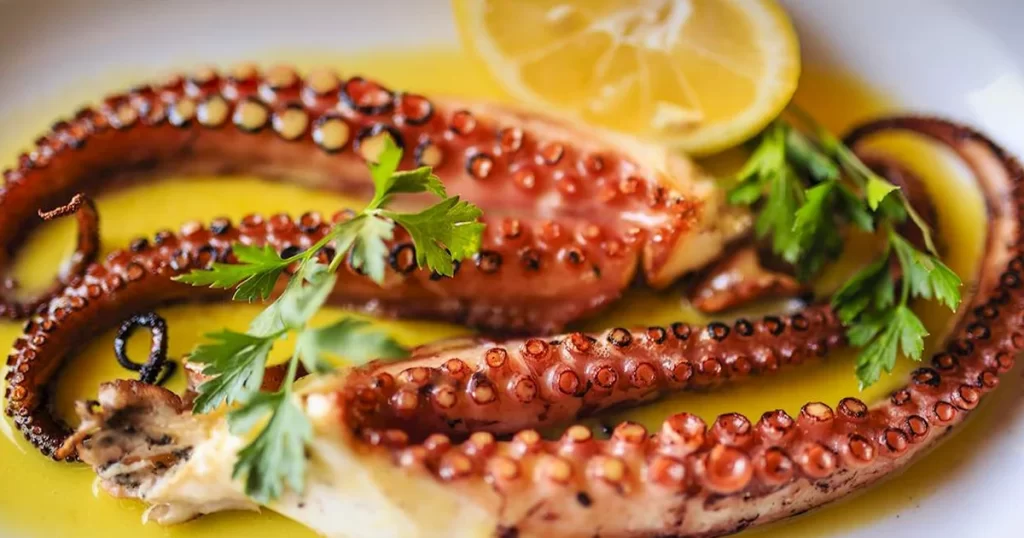
1. Begin With a Greek Seafood Recipe
Greek seafood can be explored through different ingredients and cooking methods. Start by choosing the kind of preparation you would like to understand, then read a complete recipe for that dish. A whole fish, a fillet, and shellfish involve different practical work, so the broad category is only a starting point.
Review the recipe before buying ingredients and check the form it requests. The ingredient’s size, preparation, and condition may affect how the method works. If you need help selecting an appropriate product, ask the supplier specific questions and keep the recipe information with you. Clear preparation begins with understanding what the method actually uses.
2. Read Fish Preparations Carefully
A fish-focused Greek seafood recipe may involve baking, grilling, or another method. Read how the ingredient is prepared and which equipment is used. Do not assume that instructions for one form of fish can be transferred unchanged to another. The full recipe provides more useful information than a photograph alone.
For cooking safety, use the FoodSafety.gov minimum internal temperature chart and follow the guidance relevant to the food you are preparing. A food thermometer is an important tool for checking applicable cooking temperatures. Keep safety guidance alongside the recipe rather than judging the preparation only by appearance.
3. Distinguish Shellfish Methods
Shellfish brings another set of ingredients to Greek seafood cooking. Read a recipe written for the particular food you intend to use and note the preparation it requires. Different shellfish should not be treated as one interchangeable ingredient with a single universal method. Product information and the specific recipe both matter.
Consider the other components of the dish as well, including sauces, liquids, and accompaniments. Keep accurate ingredient information available when serving others. A seafood category name does not explain the full composition of a meal, and a familiar dish can have different versions with additions that are not obvious from its title.
4. Compare Grilling and Pot Dishes
The cooking method shapes a Greek seafood dish’s texture and the way it comes together. A grilled preparation and a dish cooked with liquid need different equipment and organization. Read the stages before beginning so that you understand which ingredients are prepared separately and when they are combined.
Choose a method that fits the time and tools available. If you are adapting a recipe, record the change rather than assuming that every preparation responds in the same way. Practical notes about the ingredient and method give you a clearer basis for repeating the dish or asking a focused cooking question later.
5. Plan Complementary Dishes
A Greek seafood main can be considered alongside vegetables, a salad, rice, or pasta according to the recipe and the occasion. Think about the preparation stages of the whole meal, especially if several dishes need attention at the same time. A simple accompaniment can make the work more manageable.
The salad guide and vegetable guide offer related ideas. For broader cultural context, explore Visit Greece’s gastronomy overview. Use that reading to develop interests, then choose specific recipes for the preparations you will make.
6. Record a Greek Seafood Food Story
A Greek seafood memory may be connected with a family meal, a visit, or a coastal place. Record the occasion and the dish’s practical details separately so that another reader can understand both. Note the ingredient, its preparation, and any adaptation made in your own version.
The travel guide provides another way to connect food interests with destination reading. Return to the recipes overview for the sharing invitation. A useful contribution includes complete ingredients and steps, together with the source or family context that explains why the preparation matters to you.