
Greek Meat Recipes
THE ART OF GREEK CUISINE
- Greek Meat Recipes
Explore Greek meat recipes through grilling, roasting, braising, minced-meat dishes, and shared meals. Read practical ideas and find our published Pastitsio recipe.

1. Explore Greek Meat Ideas for Grilling
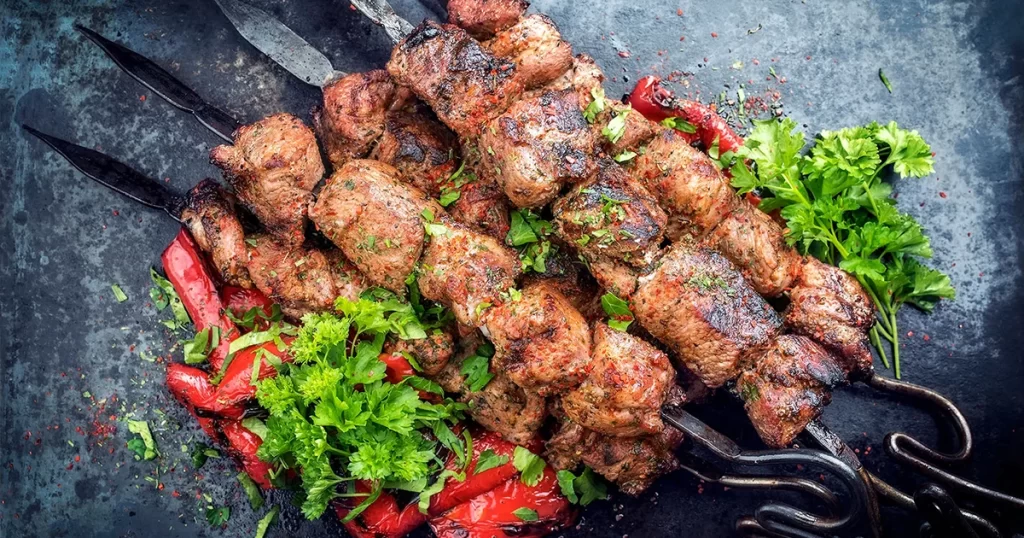
Greek meat dishes can be explored through the way a recipe prepares and cooks its ingredients. Small pieces arranged for grilling offer one starting point; souvlaki is a familiar example discussed in Visit Greece’s overview of cherished dishes. Read a full recipe to understand the cut, size, seasoning, and cooking method it calls for.
The appearance of cooked meat is not a substitute for checking that it has reached a safe internal temperature. Use a food thermometer and consult the FoodSafety.gov cooking-temperature chart for the food you are preparing. Keep the recipe’s method and applicable safety guidance together while cooking.
2. Compare Roasting Preparations
A roast brings different questions to Greek meat cooking. Read which cut the recipe specifies, how it is prepared, and what equipment it uses. A method written for one size or form of meat should not automatically be treated as instructions for another. Identify those details before shopping or beginning the preparation.
Consider the other components of the meal as well. If vegetables cook in the same dish, read when they are added and how the recipe coordinates the stages. Keep any required resting instructions with the method. Planning the sequence in advance makes the work easier to understand than improvising each step in isolation.
3. Read Braises and Pot Dishes
Some Greek meat recipes combine meat with liquid and other ingredients in a pot or covered dish. Look at the full sequence, including any initial preparation and the way the remaining ingredients are introduced. A braise and a quick grilled preparation have different purposes, even when both use familiar seasonings.
Choose a recipe whose time and equipment requirements fit your plans. Note the quantities and the size of the cooking vessel it requests. If you adapt the amount, record the changes rather than assuming that every stage scales in exactly the same way. Clear notes help explain the result when you make the dish again.
4. Explore Minced-Meat Preparations
Minced meat offers another direction within Greek meat cooking, including shaped preparations and mixtures used in assembled dishes. Read the ingredients and instructions for the particular recipe. The surrounding components, seasoning, and cooking process determine the finished preparation, so a broad description of mince is only a starting point.
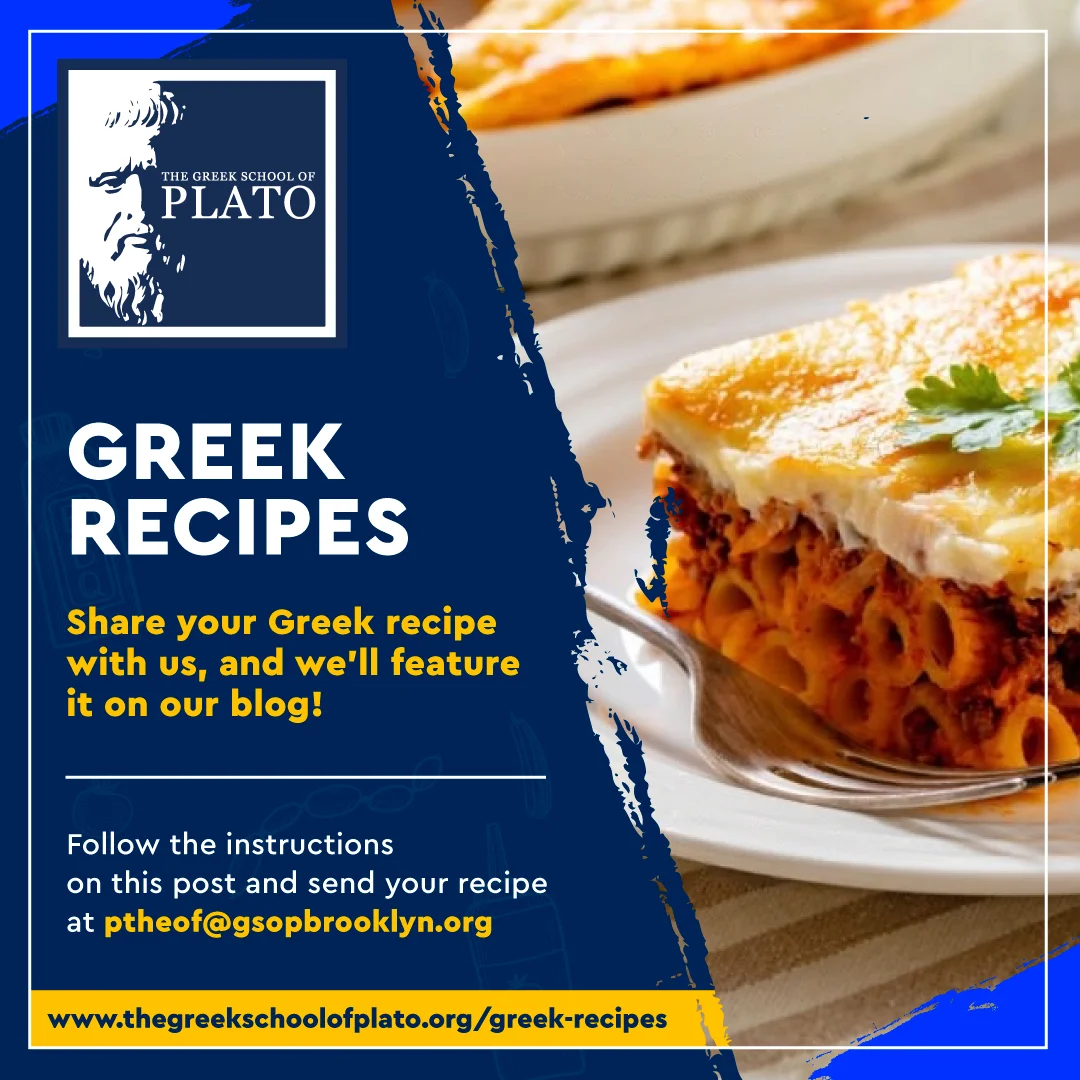
Our published Pastitsio recipe provides one dish to explore alongside this category. Read the complete page for its ingredients and assembly. The pasta guide offers related ideas for thinking about pasta, sauce, and the practical organization of a meal.
5. Plan Complementary Dishes
A Greek meat main course can be considered alongside salads, vegetables, or other accompaniments. Choose the rest of the meal with its preparation stages in mind. A simple side may be more practical than a second dish that needs attention at the same moment as the main course.
The salad guide and vegetable guide provide further reading. Compare textures and serving styles while keeping the complete ingredient information available. The goal is a meal whose parts make sense together and whose preparation fits the occasion.
6. Keep Greek Meat Recipe Notes
Record the cut or form of meat, the quantities, and the method you actually followed when trying a Greek meat recipe. Include practical observations about the preparation and any substitutions. This gives you a clearer basis for repeating the dish than a general memory of how it tasted.
The recipes overview includes an invitation to share food creations. If you contribute a family recipe, explain the ingredients, steps, and source or family context. Clear instructions help another reader distinguish your own version from other preparations that may share a familiar name.