
Greek Superfood Recipes
THE ART OF GREEK CUISINE
- Greek Superfood Recipes
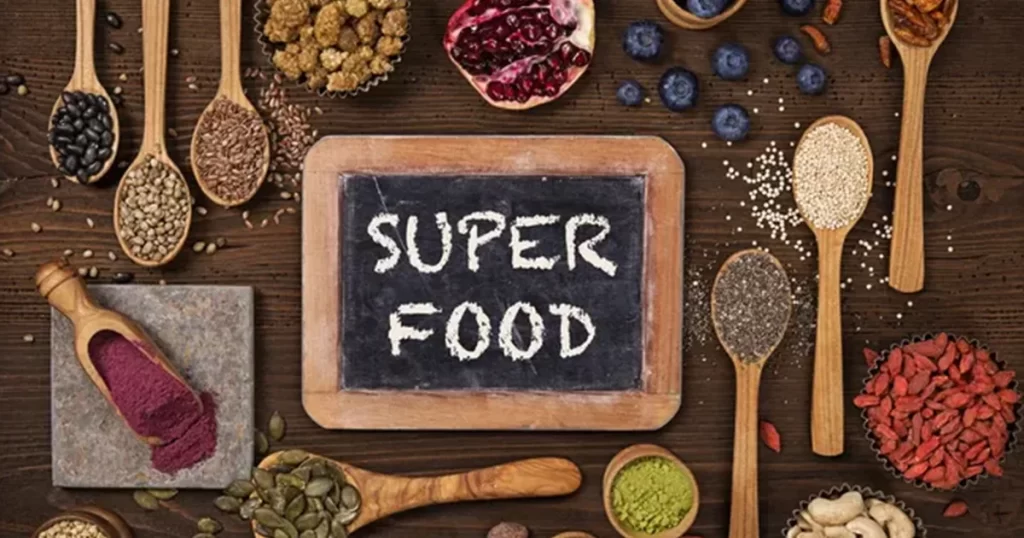
Explore the Greek superfood collection through vegetables, legumes, olives, grains, fruit, and cooking ideas. Read ingredient-focused guidance for a shared table.

1. Explore the Greek Superfood Collection
The Greek superfood category provides a place to explore ingredient-focused cooking ideas. Begin with the foods you enjoy and the kind of preparation you would like to make. This guide considers kitchen uses, flavors, and meal planning. An individual recipe supplies the quantities and steps for a particular dish.
A category name is a way to organize reading, while a complete ingredient list explains the food itself. Consider vegetables, legumes, olives, grains, and fruit as different starting points for a cooking project. Choose one preparation to explore in detail rather than expecting a single ingredient to explain an entire way of eating.
2. Begin With Vegetables and Greens
Vegetables and greens give the Greek superfood collection one direction for practical cooking. A preparation can emphasize a single ingredient or combine several in a pot, a baking dish, or a salad. The method determines the texture and serving style more precisely than a broad food label does.
Explore the vegetable guide for related ideas. Read a recipe from beginning to end before preparing ingredients and notice how it organizes the work. A cooked dish and a fresh salad ask different things of the same kitchen, so choose a method that fits the occasion and equipment available.
3. Consider Legumes in Different Forms
Beans, lentils, and chickpeas offer another starting point within the Greek superfood category. Compare a soup, a baked preparation, and a puree to see how the same broad ingredient group can have different roles at the table. Each method should be read on its own terms before you decide which dish to try.
The legumes guide provides further discussion of preparation and serving. Notice whether a recipe begins with dried or already cooked ingredients. Keep product instructions and the chosen method together, and record any substitution you make. Those practical details help another reader understand the finished preparation.
4. Notice Olives, Oil, and Seasoning
Olives, olive oil, herbs, and other seasonings can give Greek superfood cooking ideas distinct flavors. Read how a recipe uses them rather than assuming they serve the same role in every dish. An ingredient added during cooking may contribute differently from one introduced as a finishing element.
For wider cultural context, explore Visit Greece’s traditional-products section. Use that reading to develop questions about ingredients and places. When you return to the kitchen, follow a specific recipe and keep track of the products and quantities you actually use.
5. Compare Grains and Fruit Preparations
The Greek superfood collection can also prompt reading about grains and fruit in different preparations. Think about whether an ingredient is central to a dish, part of a filling, or served as an accompaniment. A short ingredient description does not replace the complete method or the information on a prepared product.
The salad guide and desserts guide offer different category connections. Read those pages for ideas, then check the recipe you choose for its actual composition. Keep preferences and ingredient requirements in view when planning food for other people.
6. Plan a Greek Superfood Cooking Project
Choose a manageable recipe and decide what role it will have in the meal. Consider its preparation stages, portion information, and serving style alongside the other dishes you intend to make. A focused project gives you more opportunity to understand the ingredients than attempting several unfamiliar methods at the same time.
Return to the Greek recipes overview for the site’s published dishes and food-sharing invitation. If you contribute a family preparation, include clear measurements, complete steps, and any adaptation or source information. Describe the food and your experience accurately so that another reader can understand the recipe without relying on a general category label.