
Greek Dough Recipes
THE ART OF GREEK CUISINE
- Greek Dough Recipes
Explore Greek dough recipes through pastry, bread, filling, and shaping ideas. The guide below offers practical context for choosing a baking project. Visit the recipes overview to find the dishes currently published on the site.


1. Choose a Greek Dough Preparation
Greek dough recipes include different kinds of work, from handling thin pastry to shaping a loaf or assembling a filled bake. Begin by choosing the preparation you want to understand. Read a complete recipe to see whether it calls for purchased pastry, a dough made from ingredients, or another method. Those choices affect the tools and time you will need.
A bread dough and a pastry sheet should not be treated as interchangeable simply because both belong to a baking category. Look at the texture and process described by the recipe. The Enterprise Greece baked-goods overview offers a broader introduction to Greek bread, pastry, and cookie traditions.
2. Read the Whole Method First
Before beginning Greek dough work, identify the stages in the chosen method. Some preparations involve mixing and shaping; others focus on layering pastry with a filling. Read any instructions about resting, preparation order, and baking before ingredients are on the counter. This helps you understand how the individual steps connect.
Set out the tools requested by the recipe and check the quantities carefully. Keep your own notes separate from the original instructions if you make an adjustment. A useful record includes the ingredient amounts, the pan or baking surface, and the changes you actually made. These details make later comparisons more reliable.
3. Explore Savory Fillings
A filling gives many Greek dough preparations their character. Our published Spanakopita recipe provides one dish to read alongside this guide. Pay attention to how the filling is prepared and how it is combined with the pastry. The two components work together, so read their instructions as parts of one method.
The pie guide offers another way to think about fillings and serving styles. Compare the complete recipes you are considering rather than assuming that one filling can be transferred unchanged to every pastry. The amount, consistency, and assembly method may all matter to the chosen preparation.
4. Think About Shape and Portions
Greek dough recipes can be presented in different forms, including a larger bake cut for serving or individually shaped pieces. Follow the shape and size described in the recipe when learning a method. A change in the dimensions of a preparation may affect how it assembles or bakes, even when the ingredients remain familiar.
Consider how you would like to serve the finished dish before starting. Check the recipe’s portion information and the equipment it uses. Smaller pieces can involve more individual shaping, while a larger bake may need attention when cutting and serving. Choose a preparation whose practical steps fit the occasion and the time you have available.
5. Keep Useful Baking Notes
When practicing a Greek dough recipe, record observations that would help you repeat it. Note the ingredients used, the work surface, the pan, and any changes from the original method. Describe the result in concrete terms, such as the texture or the way a filling held together, rather than relying only on a general judgment.
If a result differs from what you expected, return to the method and compare the steps you followed. Keeping one clear record is more useful than changing several elements without noting them. A family cooking notebook can preserve these practical details alongside the stories that make a recipe meaningful.
6. Connect Baking With Other Categories
The desserts guide explores sweet preparations, while the appetizer guide considers smaller dishes for sharing. These categories overlap with Greek dough work in different ways. Use them to develop ideas, then return to the specific recipe for the instructions you will follow.
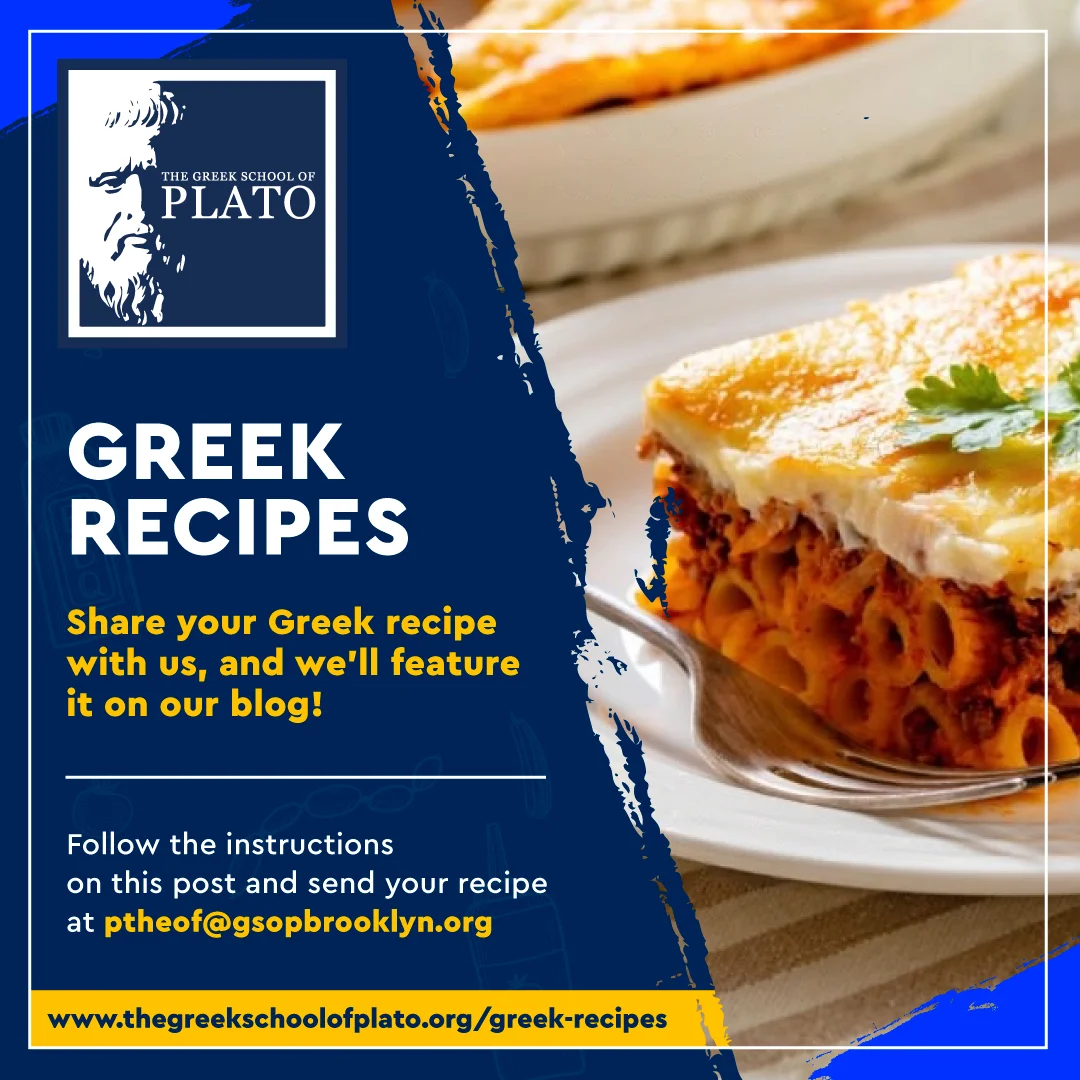
Visit the Greek recipes overview to explore the category collection and the invitation to share a food creation. A clear contribution explains the ingredients, the method, and the family’s own variation or memory. That combination helps another reader understand both the preparation and its personal context.