
Greek Pie Recipes
THE ART OF GREEK CUISINE
- Greek Pie Recipes
Explore Greek pie recipes through pastry, fillings, shaping, and serving. Read our published Spanakopita recipe and practical ideas for a family baking project.


1. Start With a Greek Pie Recipe
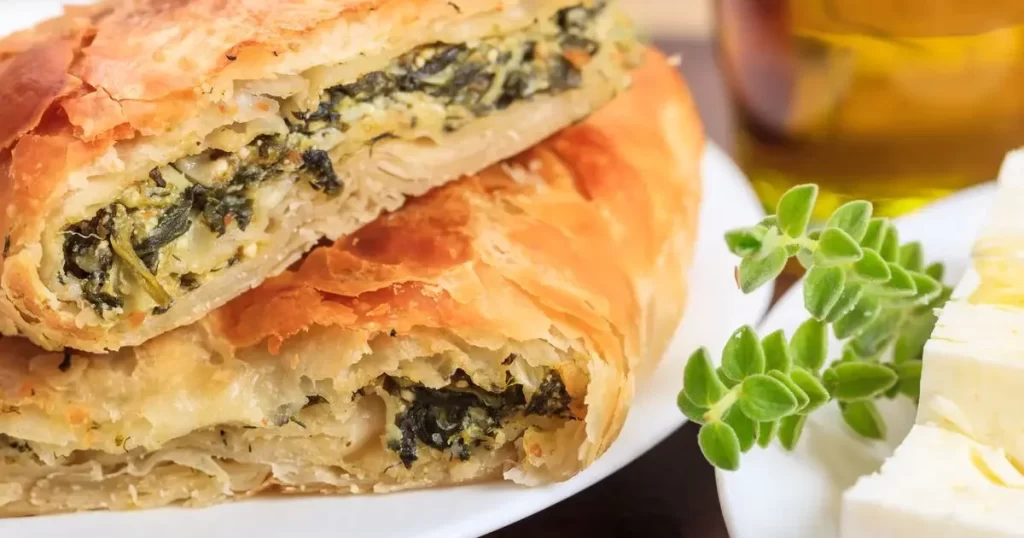
A Greek pie brings pastry and filling together, making it useful to read the complete method before choosing a baking project. Our published Spanakopita recipe provides one dish to explore. Notice how its components are prepared and how the recipe arranges them for baking.
The name of a pie does not explain every detail of its preparation. Different versions can use different ingredients, shapes, or methods. Read the quantities and instructions for the recipe you intend to follow rather than combining separate versions without keeping track of the changes. A clear starting point makes the result easier to understand.
2. Understand the Pastry
The pastry has a practical role in a Greek pie, shaping how the filling is enclosed and how the finished dish is served. Identify the pastry product or dough method requested by the recipe. Purchased sheets and dough prepared from ingredients involve different work, so check the instructions before setting out your tools.
The dough guide provides related discussion of preparation and baking notes. Use it for context while keeping the individual recipe as your guide to quantities and assembly. If you try a different pastry, record the substitution and its effect instead of treating it as an invisible change.
3. Read the Filling Instructions
A filling gives a Greek pie much of its character. Look at how the recipe prepares the ingredients and what consistency it describes before assembly. The filling and pastry should be read as connected parts of the same method, rather than as two unrelated recipes that happen to share a baking dish.
For vegetable-focused ideas, explore the vegetable guide. Compare complete recipes before moving a filling from one preparation to another. Quantities, preparation, and the way a filling is enclosed can affect the work involved. Clear notes help explain any variation you make in your own kitchen.
4. Choose a Shape and Serving Style
A Greek pie may be prepared as a larger bake cut for serving or as individually formed pieces. Follow the shape and dimensions described by the recipe when learning a method. A change in size can affect assembly and baking even when the ingredients seem familiar. Check the instructions before planning an adaptation.
Consider the occasion and the amount of shaping you want to undertake. Small pieces involve individual work, while a larger bake has its own cutting and serving needs. Read the recipe’s portion information and look at the equipment it uses. These practical details help you choose a project that fits your plans.
5. Explore the Place of Pies in a Meal
A Greek pie can be considered alongside other dishes rather than in isolation. Think about its filling, texture, and serving style when planning the table. A simple accompaniment may be a more practical choice than another preparation that requires attention at the same stage of the cooking.
For wider cultural context, explore Visit Greece’s traditional-cuisine overview. The appetizer guide offers another connection for readers considering smaller portions as part of a shared selection. Use these ideas to frame your choices, then return to specific recipes for the methods you will follow.
6. Preserve a Greek Pie Family Memory
A Greek pie recipe may carry a memory of a family kitchen, a celebration, or a particular place. Ask the cook which ingredients and steps they consider essential to their own version. Record the measurements and method alongside that story so that another reader can understand both the food and its personal context.
The recipes overview includes an invitation to share creations. When contributing a preparation, explain any adaptations and acknowledge the source where appropriate. A precise account of one household’s pie is more useful than a general claim that every family or region follows exactly the same recipe.