
Greek Recipes
THE ART OF GREEK CUISINE




1. Explore Greek Recipes by Category
Greek recipes offer a way to connect food, language, and family experience. Use the categories on this website to choose a subject that interests you, from appetizers and pies to vegetables, pasta, and desserts. The category guides introduce cooking ideas and questions to consider when selecting a dish. Individual recipes provide their own ingredients and instructions.
Begin with one category rather than planning an entire menu at once. Consider the occasion, the time available, and the ingredients you would like to use. A category name helps organize your reading, while the complete recipe tells you what a particular dish involves. Read both before deciding which preparation to try in your kitchen.
2. Start With Published Greek Recipes
The site’s published Greek recipes include Spanakopita and Pastitsio. Open the individual pages to review their ingredients, methods, and serving information. These dishes also provide starting points for exploring the pie and pasta categories.
Read a recipe from beginning to end before preparing ingredients. Notice which parts can be organized in advance and which need attention at a particular stage. Keep the recipe nearby while cooking so that you can check the next step. Category suggestions are useful for inspiration, but quantities and cooking instructions belong to the individual dish.
3. Connect Ingredients With Language
A family cooking session can introduce the names of foods, utensils, and actions in Greek. Choose a few words connected with the dish you are making and practice them in context. Asking for an ingredient or describing what happens next gives a word a practical setting. Keep the activity suitable for the participants and the tasks involved.
Greek recipes can also prompt questions about the names used in different households. A relative may remember a dish by a regional name or describe a variation from a particular place. Write down that context alongside the ingredients. The school programs provide further language-learning options for families who want to develop those conversations beyond the kitchen.
4. Compare Family Variations Thoughtfully
When comparing Greek recipes, look at the full method as well as the ingredient list. Differences in pastry, filling, seasoning, or serving style can change how a dish comes together. A family version may reflect local ingredients, a household preference, or a particular occasion. Describe those differences clearly instead of assuming that one version explains every tradition.
If you adjust a recipe, make a note of what changed and how the result differed. Keep the original quantities and your own observations separate so that you can repeat the preparation later. A simple cooking notebook can preserve useful details that are easy to forget after a shared meal.
5. Plan a Table With Different Textures
The category guides help readers think about a meal in practical terms. You might compare a pastry with a vegetable dish, or pair a main course with a salad. Consider how the dishes fit the occasion and how much preparation each one requires. Starting with a manageable selection leaves more room to pay attention to the cooking.
For broader cultural reading, explore Visit Greece’s gastronomy overview. It presents food within the context of Greek places and hospitality. Our travel guide offers another way to connect a food interest with destination reading and family memories.
6. Share a Family Food Story
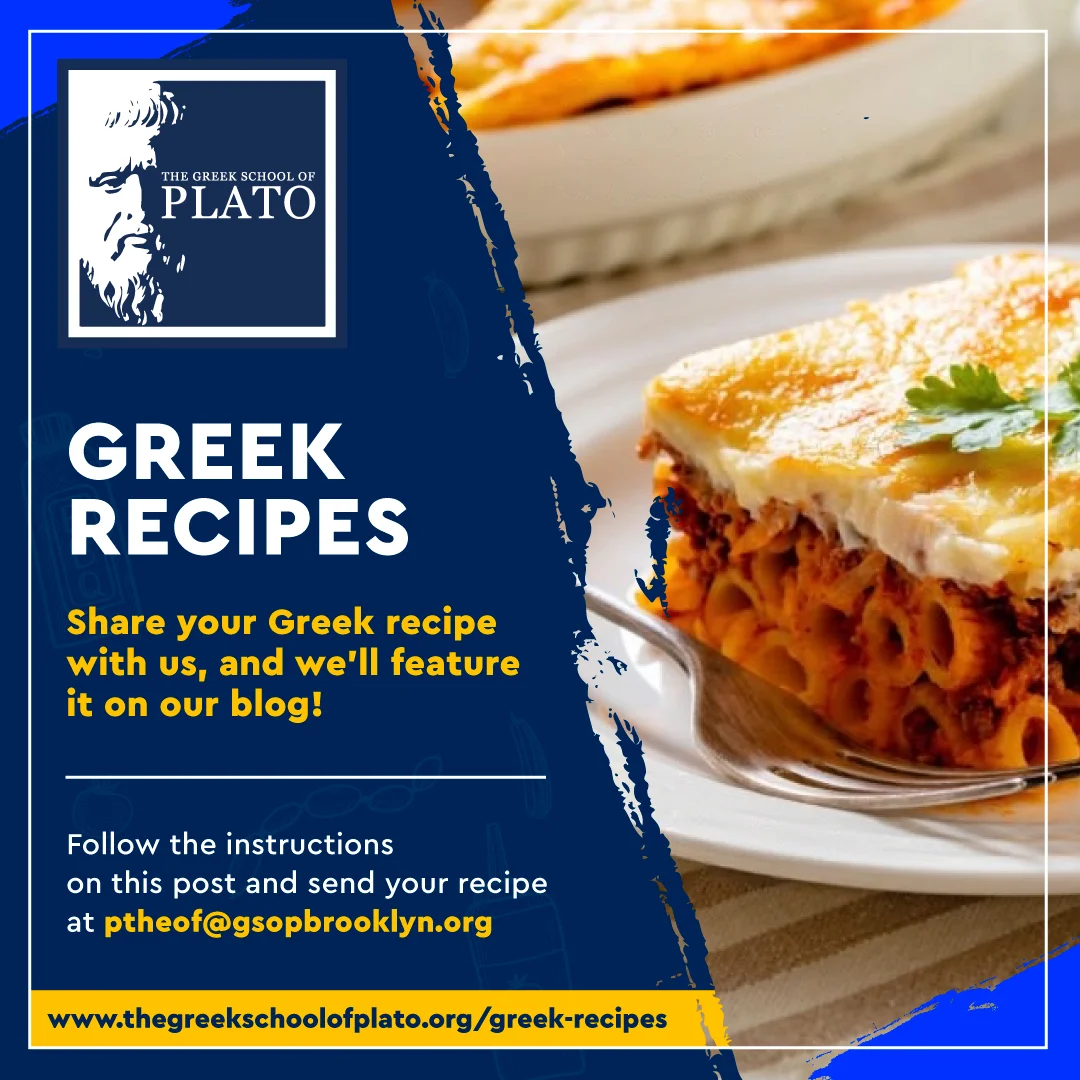
The invitation on this page welcomes readers to share Greek food creations. A useful contribution includes a clear recipe, the measurements used, and enough detail for another person to follow the method. Add the family or place connection if you would like to explain why the dish matters to you.
Check your notes before sharing Greek recipes so that ingredient amounts and steps agree. If a recipe has been adapted, describe the adaptation and acknowledge its source where appropriate. Food stories become more useful when the practical instructions and the personal memory are both easy for another reader to understand.