
Greek Vegetarian Recipes
THE ART OF GREEK CUISINE
- Greek Vegetarian Recipes
Explore Greek vegetarian recipes through vegetables, legumes, pastry, cheese, and shared meals. Read ingredient-focused ideas and practical cooking guidance.

1. Begin With Greek Vegetarian Vegetables
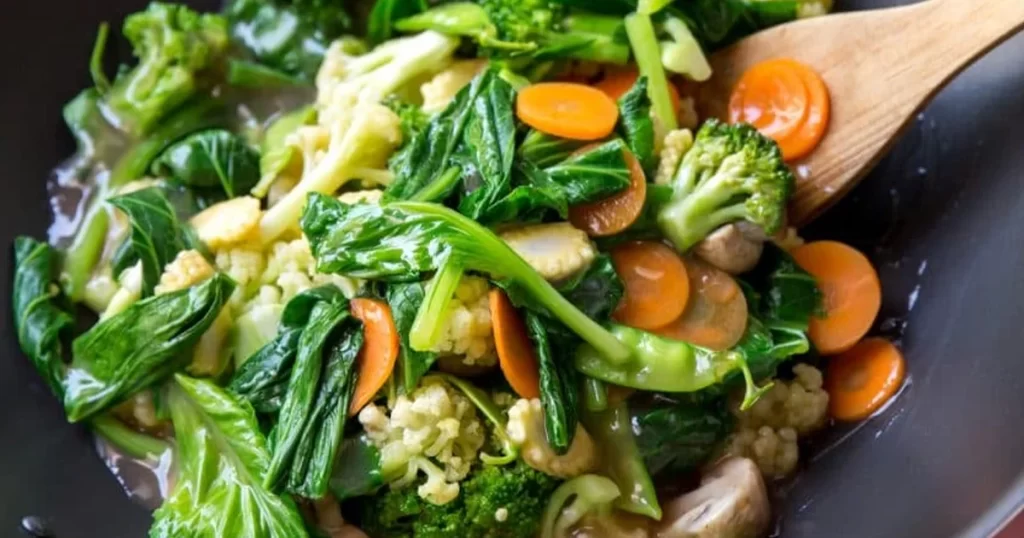
Greek vegetarian cooking can begin with a vegetable as the main focus of a meal. Compare preparations that bake, simmer, or serve ingredients fresh. A method’s stages and seasonings give a dish its character, so read a complete recipe before deciding which preparation fits the occasion.
The Visit Greece guide to vegetable-focused flavors introduces dishes such as briam and stuffed vegetables. Use that cultural reading to develop ideas, then check a specific recipe for its full ingredients and method. The vegetable guide offers further practical discussion.
2. Explore Legume Main Dishes
Beans, lentils, and chickpeas offer another direction for Greek vegetarian meals. Their role can differ between a soup, a baked preparation, and a puree. Think about the texture and serving style you want, then choose a complete recipe that explains how the ingredients come together.
The legumes guide provides related ideas for planning the work. Check whether a recipe starts with dried or already cooked ingredients and read the instructions for the other components. A legume’s name does not explain a dish’s stock, garnish, or accompaniment, so include those elements in your review.
3. Read Cheese and Egg Ingredients
Some Greek vegetarian preparations include dairy or eggs, while other dishes use neither. The Vegetarian Society’s introduction to vegetarian eating provides general context for the distinction. For your own cooking, read the actual ingredients and choose a preparation that matches the preferences of the people sharing it.
If a cheese, prepared product, or other ingredient raises a question, check its product information rather than relying on its familiar name. Keep those details with the recipe notes. The vegan guide offers a separate category for readers exploring recipes without animal-derived food ingredients.
4. Explore Greek Vegetarian Pies
A pastry or pie provides another starting point for Greek vegetarian cooking. Our published Spanakopita recipe is one dish to read. Review both the pastry and filling instructions, since their preparation and assembly work together.
The pie guide discusses shape, portions, and practical baking notes. Choose a recipe suited to the equipment and time available. When adapting a filling or pastry, record the change clearly so that the finished version can be distinguished from the original method you began with.
5. Consider the Whole Recipe
A Greek vegetarian dish should be understood through its complete ingredient list. Check stocks, sauces, fillings, and prepared products alongside the central ingredient. A vegetable or cheese in a title does not explain everything that may be included, and different versions can use different additions.
When cooking for others, describe the actual preparation and keep the ingredient information available. Discuss requirements with the people concerned rather than assuming that a broad category settles every question. Clear descriptions help people choose food and make your own recipe records easier to understand later.
6. Build a Greek Vegetarian Shared Table
A Greek vegetarian meal can bring together dishes with different textures and serving styles. Compare the preparation stages and portions before selecting a menu. One main preparation with a straightforward accompaniment may be more practical than several new methods that all need attention at the same time.
The salad guide offers related ideas, and the recipes overview includes the site’s sharing invitation. If you contribute a family recipe, include measurements, complete steps, and the personal or regional context you want to share. Accurate detail makes one household’s food story useful to another reader.
If someone shares a vegetarian dish with you, ask which stock, pastry, cheese, or sauce they used when those details matter to your choices. A short conversation can clarify ingredients that are not obvious from a photograph. Keep that information with the recipe instead of relying on a general description of the meal.