
Kalanta: Discovering Greece’s Heartwarming Christmas Carol Tradition
Explaining the Greek Christmas Tradition of “Κάλαντα” (Kalanda or Kalanta) for the Greek School of Plato community.
Greek Christmas carols, called “Κάλαντα” (Kalanda or Kalanta), are a living tradition where children go from house to house singing blessings for the family in exchange for small gifts, sweets, or coins. They combine elements from ancient Greek customs, Christian celebration, and local village culture, so understanding them helps people from other backgrounds appreciate the deeper meaning behind what may look like “just” cute kids with triangles.
 What “Kalanta” Means
The word “Κάλαντα” (Kalanta) comes from the Latin “calendae,” which referred to the first day of the month in the Roman calendar. Over time, Greeks used this word for the festive songs sung at the beginning of important feast days, especially around Christmas and New Year.
In Greece today, “Κάλαντα” usually refers specifically to the Christmas Eve, New Year’s Eve, and Epiphany Eve carols sung by groups of children. Each set of carols announces the particular feast, honors Jesus Christ and our Orthodox Saints, and ends with good wishes for the household.
 When and How Kalanda Are Sung
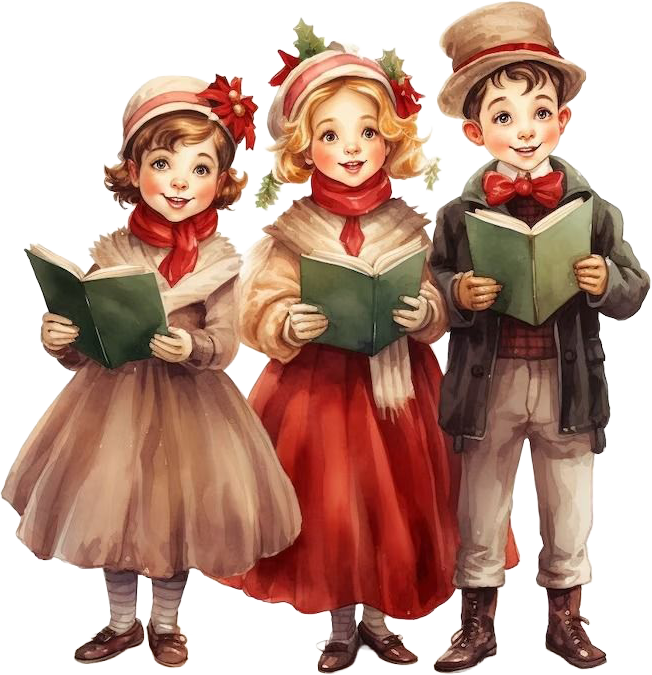
Children (and sometimes teenagers) set out early in the morning on three main days: Christmas Eve, New Year’s Eve, and the Eve of Epiphany (January 5).They knock on doors or ring doorbells and ask, “Να τα πούμε;” which means “Shall we sing them?”— the host’s “yes” opens the door to blessing, music, and hospitality.
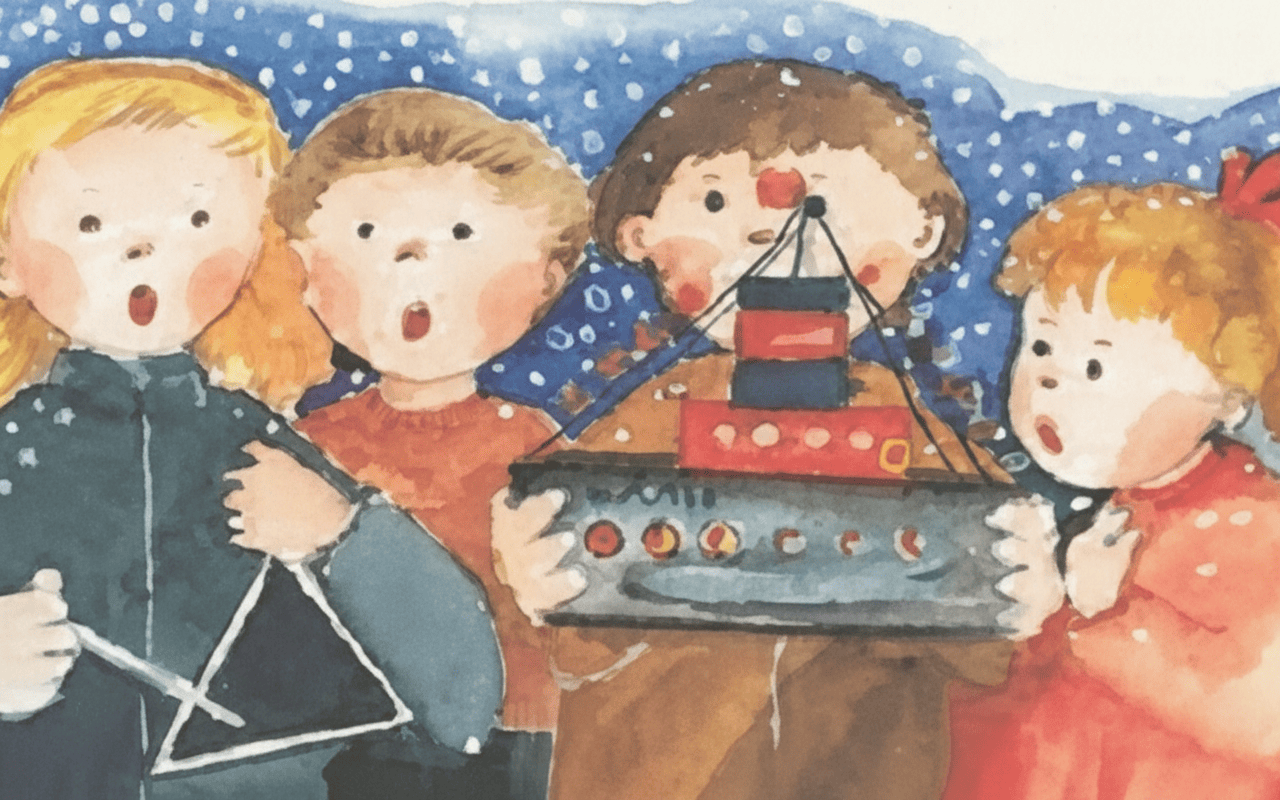
The children usually sing in small groups, often carrying a small metal triangle they ring in rhythm, and sometimes simple instruments like drums, guitars, harmonicas, or accordions. After they finish, the hosts offer coins, sweets, or small gifts, (similar to Trick or Treat but not related to Halloween) both to thank them and to symbolically “receive” the blessing they brought to the home.
What the Carols Talk About
Traditional Kalanda function as musical storytelling. A typical carol begins with a polite greeting to the “lords of the house”, continues by announcing and celebrating the Christian feast (the birth of Jesus Christ, the New Year, or Christ’s baptism/ christening), and ends with blessings for health, prosperity, and long life for every member of the family.
The language of many traditional Kalanda mixes everyday Greek with “katharevousa,” a more formal, archaic style, which gives the songs a solemn and historical flavor, even when sung by giggling children. Verses often include local references, folk imagery, and even mentions of “kallikantzaroi”, mischievous goblin-like creatures believed to roam during the Twelve Days of Christmas, blending Christian teaching with older folk beliefs.
Ancient Roots Under a Christian Feast
Kalanda are not simply imported European carols; they grow out of very old Mediterranean customs. In ancient Greece, children processed through neighborhoods carrying small boats or branches, singing seasonal songs to honor the gods—especially Dionysios—and offering good wishes to households in exchange for gifts.
Early Christian and later Byzantine communities reshaped this existing pattern into songs that proclaim Jesus Christ, the Theotokos (Virgin Mary), and the major feasts of the Orthodox Church, while preserving the idea of visiting homes to bestow blessings and receive hospitality. In that sense, Kalanta are a bridge between pre-Christian ritual, Christian theology, and the everyday life of Greek families.
Regional Flavors Across Greece
Although the core structure is similar everywhere, each region of Greece has its own melodic style, rhythm, and sometimes its own verses. On the islands of the Ionian Sea, the melodies often carry Italian and Venetian influence, while in Thrace, the harmonies and instrumental style show connections with Eastern European traditions.
In mountainous Epirus, Kalanda can sound more austere and solemn, whereas in the Cyclades they are lively and dance-like, matching the islands’ festive character. Large cities like Athens now hear a mix of traditional Kalanda, newer compositions, and even Greek versions of well-known Western Christmas songs, all blending into the soundscape of the season.
Sample of Regional Practices
| Region / Setting | Distinctive Features |
|---|---|
| Ionian Islands | Italian-influenced melodies due to Venetian history. |
| Thrace | Eastern-style harmonies and sometimes more complex choral arrangements. |
| Epirus | Slower, more solemn delivery that reflects local musical traditions. |
| Cyclades | Brighter, rhythmic, often dance-like tunes. |
| Urban Athens & diaspora | Blend of traditional Kalanda, Western carols in Greek, and school or parish performances. |
Kalanda in Greek Homes and Communities
For Greek families, opening the door to children singing Kalanda is like opening the home to blessing, joy, and community connection. Even in big apartment buildings, people expect knocks at the door and keep coins and sweets ready, especially for younger children who may still be shy or nervous.
In diaspora communities—such as Greek schools and parishes abroad—Kalanta are often organized as part of Christmas programs, school events, and church celebrations, so that children who grow up outside Greece can learn both the language and the deeper meaning of the custom. This helps the tradition remain not just a performance, but a way for the younger generation to carry Greek faith, language, and hospitality into their own neighborhoods and friendships.
How Someone From Another Culture Can Participate
For someone new to this tradition, the most important thing is the spirit of welcome. When children ask “Να τα πούμε;” saying “Yes, sing for us!” and listening attentively already honors the custom, even if you do not understand every word.
- Learn to say “Καλά Χριστούγεννα,” spelled phonetically as “Kala khree-stoo-yenna” (Merry Christmas), and “Χρόνια Πολλά,” pronounced “Kro-NEE-ah PO-lah” (Many Years), to greet the children and their families.
- Offer small sweets, tangerines, or coins as a sign of appreciation and shared joy.
- Join the singing on simple refrains or clapping along with the triangle rhythm, which turns the visit into a shared celebration rather than a one-way “performance.”
For a school community like the Greek School of Plato, presenting Kalanta (or Kalanda) to classmates from many cultures is a chance to show how one simple practice holds together music, language, faith, history, and neighborhood hospitality. By explaining the symbolism, teaching a few key phrases, and inviting everyone to open their “door”—literally or symbolically—the tradition becomes a shared experience of Christmas joy, not just a song in another language.
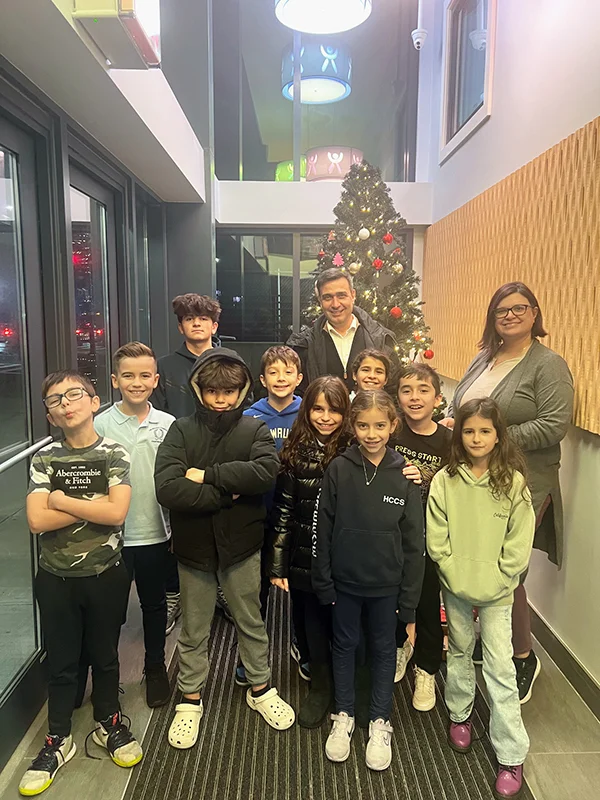
Each year the Greek School of Plato Marching Band students and alumni come together with Board, PTO and parent volunteers and travel to homes and businesses to spread the holiday spirit through the Kalanta. This is a long standing tradition of the Greek School of Plato, one that brings joy to all the students and volunteers, and to those that host the Greek School of Plato Marching Band.
WANT your family or business to host the band and share in the music and celebration?
Bring the Joy of Kalanta to Your Doorstep!
SIGNUP HERE
Καλές Γιορτές! Merry Christmas from the Greek School of Plato.
![Student Awards 2023 [Video]](https://thegreekschoolofplato.org/wp-content/uploads/2023/07/Featured-Student-Awards-2023.png)